

Outlook India has been a prominent source of news and information catering to an extensive readership. However, like any media outlet, it is crucial to approach its content with a critical mindset. Learn about the useful tips to consider if you have concerns about Outlook India and its content. These tips will empower you with the necessary tools to evaluate news sources effectively and make informed decisions.
Diversify Your Sources
One of the best ways to counter potential biases and misinformation is by diversifying your sources of news. Relying on a single outlet for all your information can create an echo chamber that reinforces pre-existing beliefs. By exploring various news sources with different perspectives, you can gain a more comprehensive understanding of a given topic and make well-rounded judgments.
Fact-checking
In the era of fake news, propaganda, and misinformation, fact-checking has become an essential skill for every responsible news consumer. Verify the claims made in Outlook India articles by cross-referencing them with credible sources. Websites like Snopes, FactCheck.org, and PolitiFact can help you fact-check information before accepting it as true. This practice ensures that you are basing your opinions on accurate and reliable information.
Analyze the Editorial Team
Understanding the editorial team behind Outlook India is crucial in assessing the potential biases that may influence their reporting. Research the backgrounds, affiliations, and ideologies of the editors and journalists associated with the publication. This knowledge allows you to identify any potential conflicts of interest or inherent biases that may affect the content.
Evaluate Reporting Techniques
When assessing Outlook India’s content, pay attention to the reporting techniques used. Look for trends such as sensationalism, cherry-picking data, or the omission of relevant information. Analyzing the writing style and tone can also provide insight into the potential biases present in the articles. By evaluating these factors, you can form a more balanced view of the news presented.

Engage in Civil Discourse
If you have concerns about Outlook India’s content, engage in civil discourse by participating in online discussions or forums. Express your opinions respectfully and encourage others to provide their perspectives as well. Engaging in constructive conversations helps promote critical thinking and fosters a community where diverse viewpoints can be shared and understood.
Seek Out Independent Voices
In addition to mainstream media outlets like Outlook India, expand your knowledge by seeking out independent voices. Bloggers, journalists, and subject matter experts who offer alternative viewpoints can provide valuable insights that challenge the mainstream narrative. However, remember to critically evaluate the credibility and sources used by these independent voices as well.
Be Aware of Your Own Biases
Lastly, it is essential to recognize and address your own biases when consuming news. We all have inherent biases that influence how we interpret and accept information. Being aware of these biases allows you to approach news with a more open mind, critically analyzing different perspectives. Recognizing and acknowledging your biases enhances your ability to consider the content of outlets like Outlook India objectively.
Conclusion
Having concerns about Outlook India’s content is a responsible approach to consuming news in today’s media landscape. By following these tips, you can navigate through the vast amount of information available and make informed decisions. Remember to diversify your sources, fact-check, analyze the editorial team, evaluate reporting techniques, engage in civil discourse, seek independent voices, and be aware of your own biases. Armed with these tools, you can confidently navigate the world of news and media.…
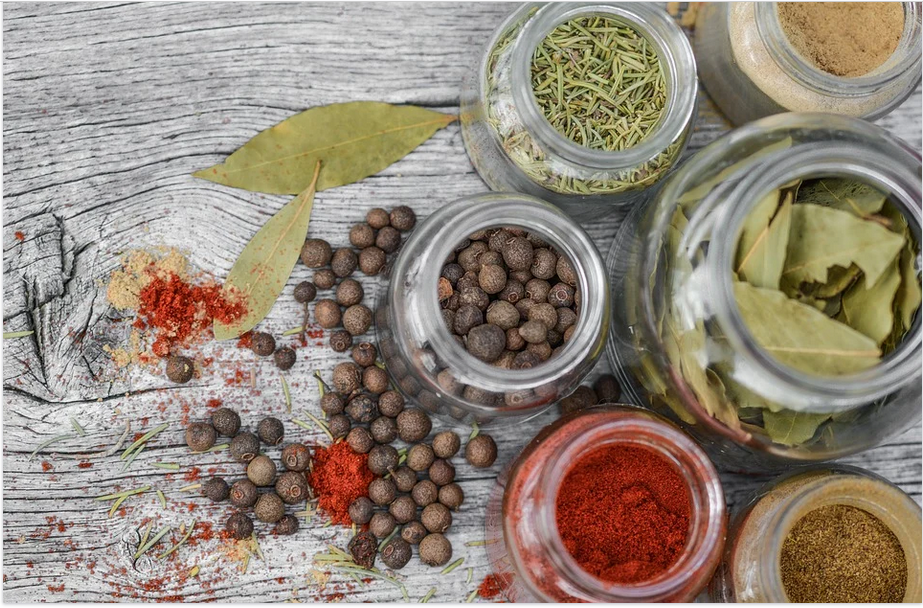
 The various jamu ingredients lead to a healthier heart. For instance, turmeric prevents diabetes and heart attacks, while tamarind, a thick edible fruit, promotes cardiovascular health and reduces sugar levels containing potassium. Moreover, honey reduces blood pressure and is excellent for eye and heart health due to its high natural antioxidants. Ginger also reduces levels of cholesterol, leading to a balanced and healthy lifestyle.
 We can’t deny that an apartment is tiny, compact and has everything you need in a small room. However, if you want a bigger place, an apartment is not for you. If you’re moving with your family, it may be a good idea to rent a house as it offers a bigger room and you can customize it to your liking. Meanwhile, an apartment might have to opt for a minimalistic style.
 Or maybe you don’t have a pet, or you don’t care about a more prominent place, but you love gardening, and it is something that you need to have in a home. You can have a mini garden in a condo or an apartment, but it’ll never beat the feeling of getting your hand in the dirt and watching your plant grows to the fullest. If you have a green thumb, definitely pick a house rather than an apartment.